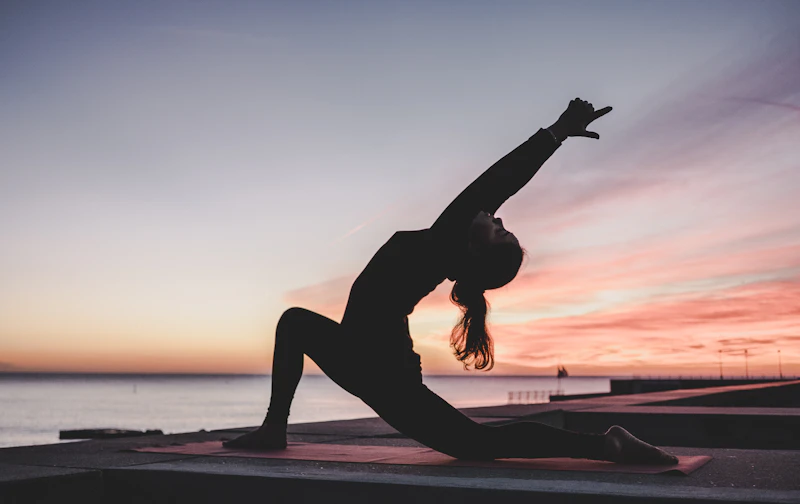
A practical retreat packing list organized by retreat type and climate, plus digital detox prep and what experienced travelers deliberately leave at home.
Packing for a retreat is not like packing for a vacation. On a normal trip, forgetting something means a quick stop at a shop. At a retreat center two hours up a mountain road, or on an island with one ferry a day, the nearest replacement earplugs might be a week away. The good news: retreats also demand far less than most people bring. The skill is knowing which twenty items actually matter.
This guide covers the foundation list that applies everywhere, then the specific additions for wellness, adventure, silent, and luxury retreats, along with climate adjustments, digital detox preparation, and the things experienced retreat-goers deliberately leave behind.
The Foundation: What Every Retreat Requires
Regardless of format or destination, a handful of items earn their place in every retreat bag.
- Earplugs and an eye mask. Shared accommodation is common even at mid-range retreats, and rural silence has its own noises: roosters, monastery bells, monkeys, a snoring roommate. This is the single most recommended item in guest reviews, and the most regretted omission.
- A refillable water bottle, one liter minimum. Many centers have eliminated single-use plastic entirely. In hot climates, add electrolyte tablets.
- Layers, not outfits. Retreat days swing from cold 6 a.m. sits to warm afternoons. Two or three thin layers beat one heavy one, everywhere on earth.
- Slip-on footwear. You will remove your shoes constantly: at the hall, the dining room, your own room. Laces become a daily annoyance by day two.
- A headlamp or small torch. Paths between buildings are rarely lit, and generators at remote centers often shut off at night.
- Personal medications, plus copies of prescriptions. Bring more days than you need. Include the basics a center may not stock: antihistamines, motion sickness tablets, blister plasters, rehydration salts.
- A journal and two pens. Even guests who never journal at home tend to fill one at a retreat. Pens vanish; bring a spare.
- Modest, comfortable clothing that already fits. A retreat is not the place to break in new clothes. Prioritize pieces you can sit in, cross-legged, for an hour.
Two administrative items round out the list: printed copies of your booking confirmation and travel insurance details (assume no signal on arrival day), and a small amount of local cash for arrival transport, tips, and the inevitable market visit.
Packing by Retreat Type
Wellness and Yoga Retreats
The mistake here is overpacking activewear. Most schedules involve two movement sessions a day, and most centers offer laundry. Three sets of practice clothing is enough for a week.
Add these:
- A travel yoga mat or a grippy mat towel, unless the center’s listing confirms quality mats are provided (worth checking reviews on this; “mats provided” sometimes means twenty-year-old foam)
- A sarong or large scarf: it functions as a shawl for meditation, a beach cover, a pillow cover, and a modesty layer for temple visits
- Massage or treatment-friendly underwear if bodywork is on your schedule
- Your own herbal tea if you are particular; centers usually stock a narrow selection
Skip the full skincare regimen. Many wellness centers ask guests to avoid strong fragrances in shared halls, and simpler routines suit the week anyway.
Adventure Retreats
Hiking, surfing, climbing, and trekking retreats invert the usual ratio: technical gear matters, everything else shrinks.
- Broken-in footwear appropriate to the activity, plus camp shoes for evenings
- Quick-dry fabrics only; cotton stays wet and heavy for days in humid climates
- A dry bag (10 to 20 liters) for river crossings, boat transfers, and sudden storms
- Blister care you have actually tested: tape, plasters, and a needle
- A compact first aid kit even when guides carry one; you want your own basics at hand
- Sun protection sized to the trip: SPF 50, lip balm with SPF, a real hat with a brim
Confirm what the operator provides before buying anything expensive. Good adventure retreats publish full gear lists; vague packing guidance from an operator is itself a signal worth noting. This is where comparing verified reviews helps, since past guests will mention whether provided equipment (wetsuits, harnesses, sleeping bags) was genuinely serviceable. On Retreat Ledger, the Organization and Transparency dimensions of a listing’s score tend to predict how accurate the official gear list is.
Silent Retreats
Silence changes what you need in unexpected ways.
- Reading material is often prohibited. Check the rules. Many Vipassana-style centers ask you to leave books, journals, and even writing materials at home. Others encourage journaling. Do not assume.
- Comfort for sitting is everything. If the center allows personal cushions, bring a zafu or a folding meditation bench. Ten days on an unfamiliar cushion is a long time.
- A shawl or light blanket for early sits, when halls are cold and bodies are still.
- Unscented everything. In a hall of fifty silent people, one strong deodorant is a group event.
- A watch, analog. With phones surrendered, you still need to make the 4:30 a.m. bell.
Leave anything that communicates: no slogans on shirts, no noisy velcro, no jangling zips. It sounds precious until you have sat in a hall where one person’s rustling jacket became the loudest thing in the room.
Luxury Retreats
Counterintuitively, high-end retreats need the least. Robes, slippers, toiletries, yoga gear, and laundry are usually included. Pack instead for the moments around the program:
- One or two dinner-appropriate outfits; upscale centers often have a smart-casual evening culture
- Swimwear you actually like, since pools, thermal circuits, and cold plunges will feature daily
- Any specific product your skin depends on; provided toiletries are lovely but not yours
The real luxury-retreat packing skill is restraint. Bring a half-empty bag and let the week be simple.
Climate Adjustments
Tropical and humid: everything quick-dry, double the underwear, permethrin-treated clothing or strong repellent for dawn and dusk, and a light rain shell rather than an umbrella. Assume anything cotton will not dry overnight.
Desert and high altitude: the swing between noon and midnight can exceed 25 degrees Celsius. Pack a warm layer you would never associate with the destination, plus lip balm, heavy moisturizer, and sunglasses that actually block glare. At altitude, add days to acclimatize and halve your first-day expectations.
Cold and mountain: merino base layers, a proper insulated jacket, and warm sleep clothes, since many charming mountain retreat houses are heated ambitiously rather than effectively. Hot water bottles are the item guests most often wish they had brought.
Digital Detox Prep: The Packing You Do Before You Pack
If your retreat restricts devices, or you intend to restrict yourself, the preparation happens the week before.
- Print or download offline copies of tickets, directions, and your booking
- Set an out-of-office reply that names a return date one day later than your actual return
- Give the retreat center’s phone number to one trusted person for genuine emergencies
- Download offline maps for the arrival journey, then plan to put the phone away
- Bring an analog alarm: a cheap travel clock or a watch, so the phone has no remaining excuse to live beside your bed
The last point matters most. Nearly every failed digital detox begins with “I just used it as an alarm.”
What to Leave at Home
Experienced retreat-goers pack lighter every year. These items consistently prove dead weight:
- A laptop. There is no version of a retreat improved by a laptop. If work cannot survive a week without you, the retreat is mistimed, not underpacked.
- Valuables and jewelry. Rooms often lack safes, and you will spend the week worrying about a locker.
- Hair dryers and styling tools. Voltage varies, humidity wins, and nobody is looking.
- Perfume and cologne, for the shared-hall reasons above.
- More than two books. One to read, one as backup. A stack of six is aspiration, not luggage.
- Your expectations of a specific outcome. Not a packing item, admittedly, but the heaviest thing most guests carry through the gate.
The Bottom Line
Pack in layers, pack unscented, and pack less than feels safe. The foundation list covers ninety percent of any retreat; the format-specific additions cover the rest. Confirm what the venue provides before buying gear, and treat a center’s packing guidance as a small audit of its professionalism: clear lists usually mean a well-run week. Then zip the bag, set the out-of-office, and leave room for the one thing worth bringing home, which never fits in luggage anyway.